What Is Business Digitalisation? The Complete Guide for Small Businesses and Startups
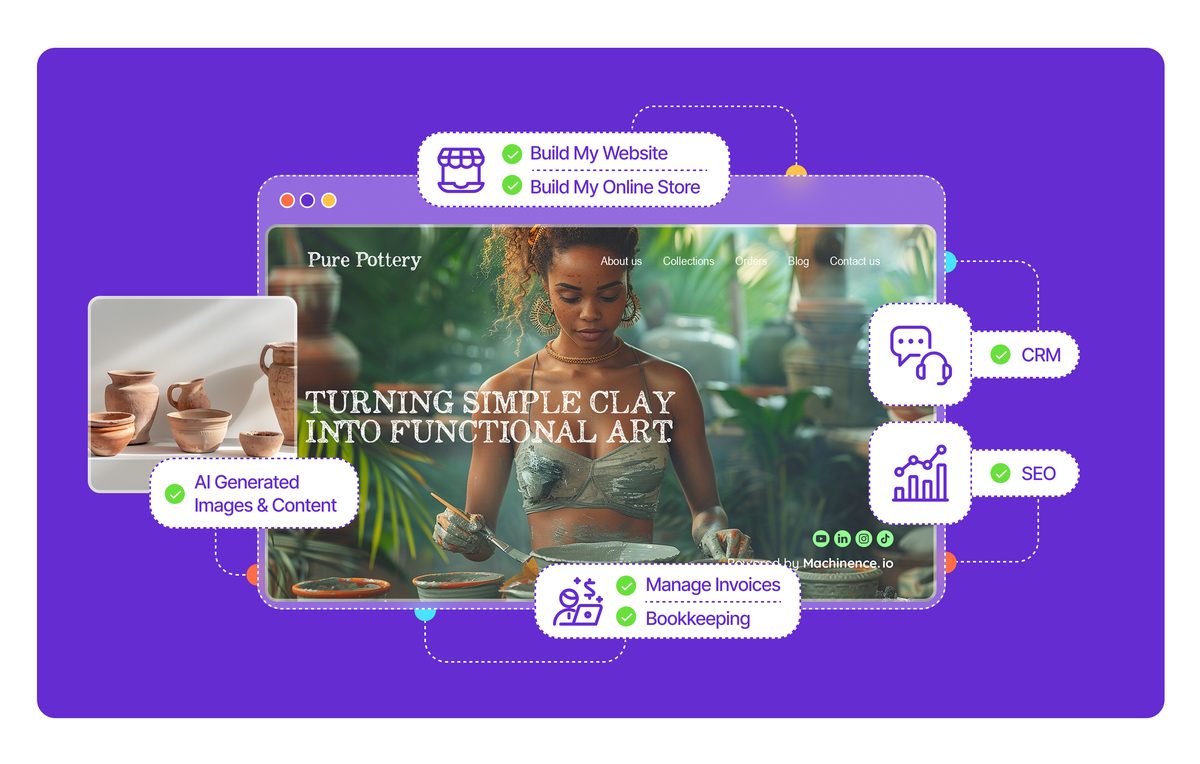
Digitalisation isn't about buying more software. It's about building a smarter business.
Every day, thousands of business owners are told they need to go digital. Governments encourage it, banks promote it, consultants sell it and technology companies promise it. But ask ten business owners what digitalisation actually means and you will get ten different answers.
Some think it means having a website. Others think it is using AI. Some believe it is moving files into the cloud, and others assume it is simply using accounting software. The truth is bigger than all of those. Business digitalisation is about transforming how a business operates so that every part of it runs faster, smarter and more profitably. It is not one app, one tool or one piece of software. It is an entire way of running a modern business.
This guide explains exactly what business digitalisation means, what it includes, where owners go wrong, and how a small business can compete with companies many times its size.
What is business digitalisation?
Business digitalisation is the process of using digital technology to improve, automate and optimise every aspect of running a business. Rather than relying on paperwork, spreadsheets, manual tasks and disconnected systems, a digital business connects everything together.
That includes sales, marketing, finance, customer service, operations, staff management, payments, communication, reporting and decision making. Instead of information sitting in notebooks, inboxes and separate software packages, everything works together and the business becomes connected.
Digitalisation is not the same as digitisation
These two words are constantly confused, and the difference matters.
Digitisation changes the format
Digitisation means converting something physical into something digital: scanning paper invoices, saving contracts as PDFs, uploading photographs, turning documents into electronic files. You have changed the format, but nothing about how the business runs has actually changed.
Digitalisation changes the process
Digitalisation changes how the work happens.
- Instead of emailing invoices manually, invoices are generated automatically.
- Instead of answering every customer question yourself, AI responds instantly.
- Instead of manually updating stock, inventory updates in real time.
- Instead of chasing payments, reminders are sent for you.
- Instead of writing every social post, AI creates and schedules the content.
Digitisation gives you a tidier filing cabinet. Digitalisation gives you back your week.
Why every business is becoming digital
Customers have changed. They expect instant responses, online payments, fast delivery, a professional website, digital communication, personalised service and the ability to help themselves at midnight. Businesses that cannot meet those expectations quietly lose customers to businesses that can.
Meanwhile digital businesses work faster, cost less to run, scale more easily, make fewer mistakes, generate more data and make better decisions off the back of it. Technology is no longer optional. It is becoming the baseline.
What does business digitalisation include?
Many people think digitalisation just means having a website. A website is one piece of a much larger picture. Here is what a modern digital business usually runs on.
1. Digital branding
Every business needs a professional identity: a logo, brand colours, typography, a business name, a domain and simple brand guidelines. Your digital brand builds trust before a customer ever contacts you. The AI Name Generator and AI Logo Maker can give you a complete, consistent brand in minutes rather than weeks.
2. Business website
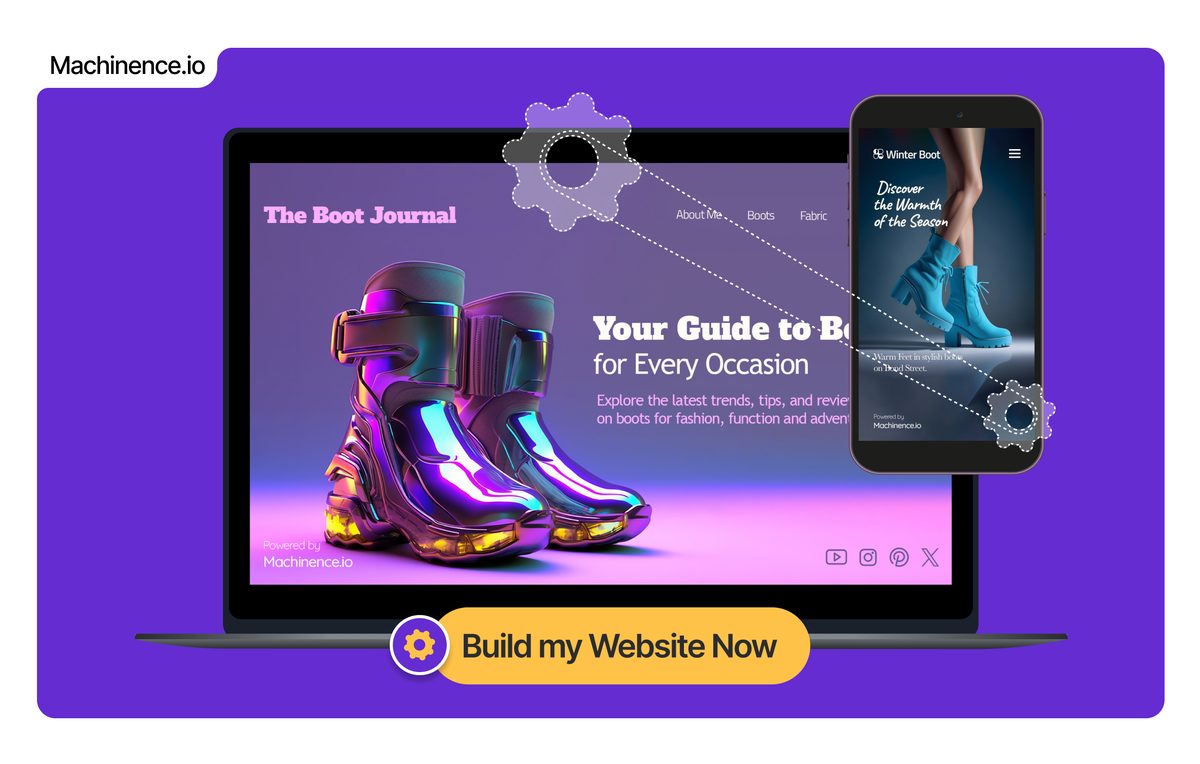
Your website is your digital headquarters. A modern site should explain what you do, generate leads, accept enquiries, sell products, educate customers, rank on Google and build trust. It is the salesperson that works twenty-four hours a day.
3. Online store
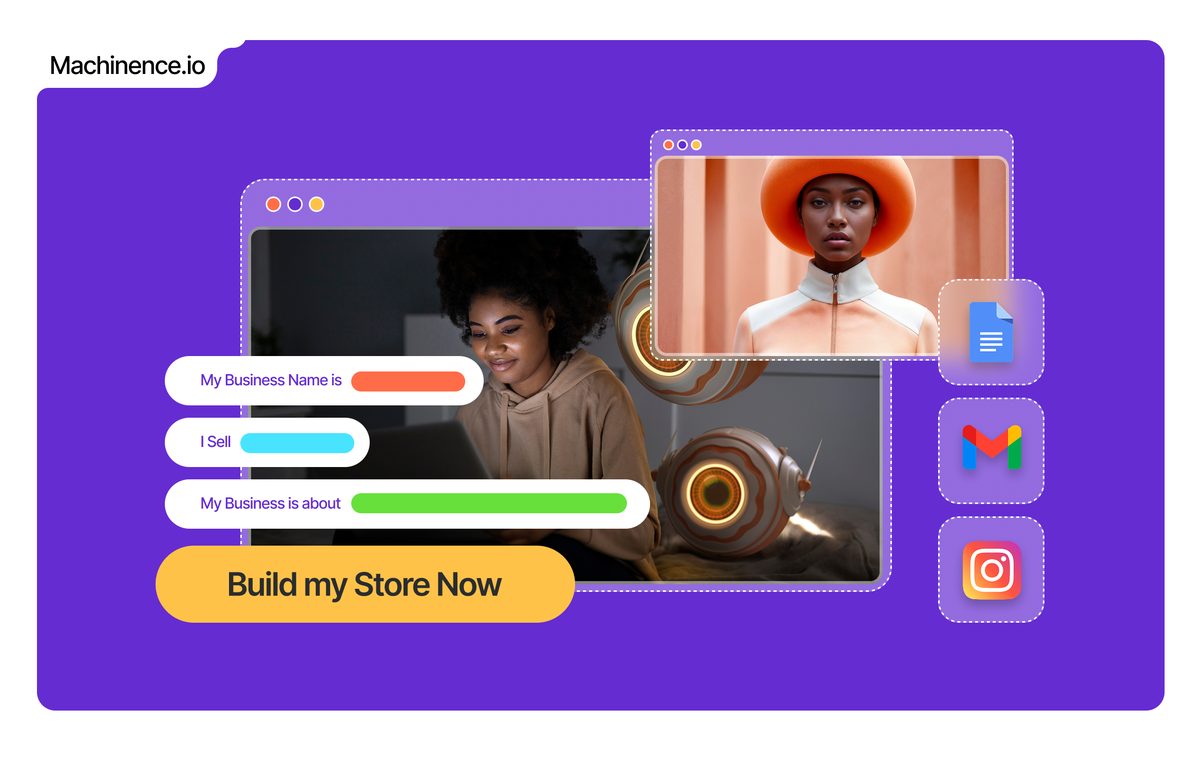
If you sell products, customers increasingly expect to buy online. A store lets you sell nationally and internationally, take online payments, manage stock, process orders and track customers. Even traditional businesses benefit from having a checkout.
4. Customer relationship management
Your customer database becomes one of your most valuable assets. Instead of keeping details in spreadsheets, a CRM lets you track enquiries, follow up leads, record conversations, manage opportunities and improve service. No lead gets forgotten, because nothing depends on remembering.
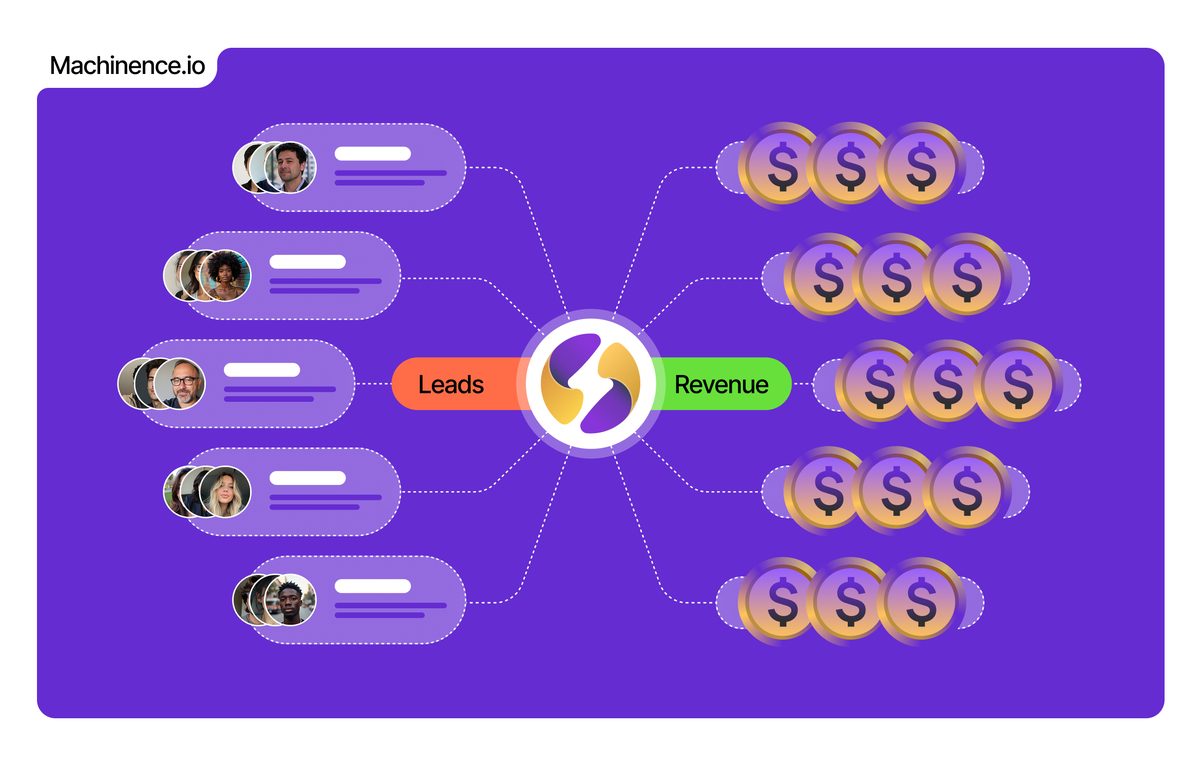
5. Digital marketing
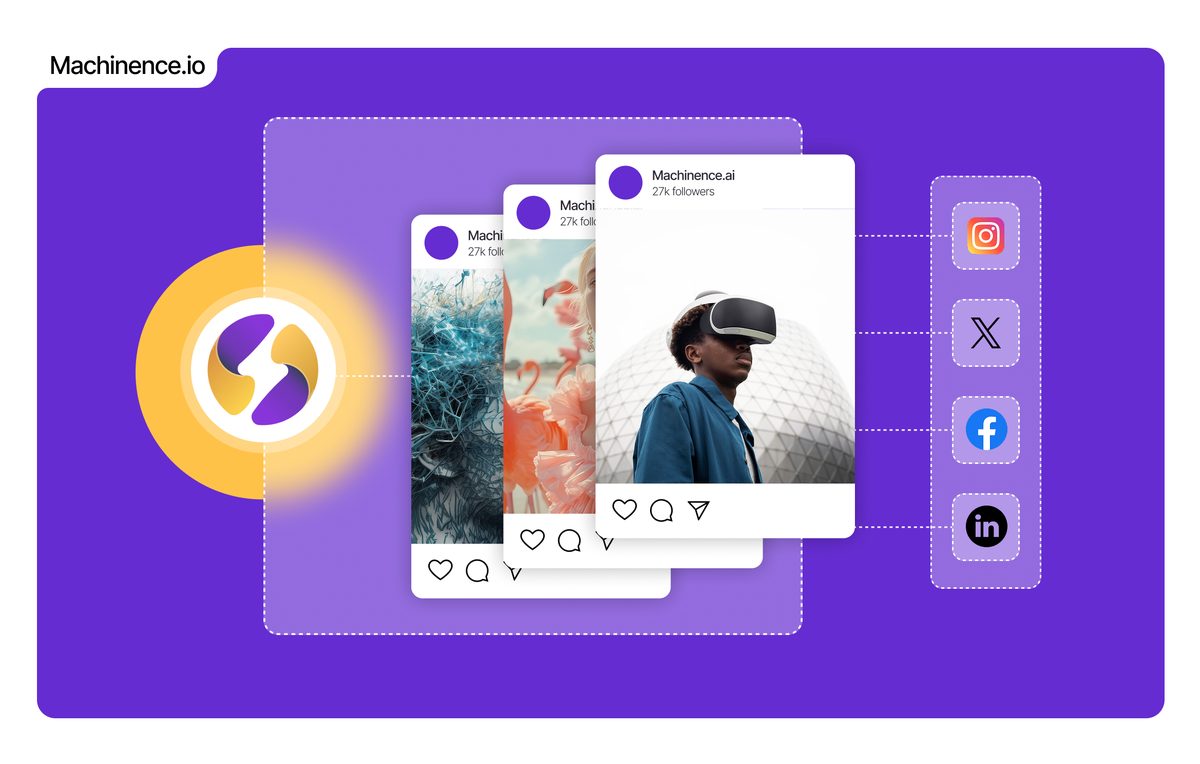
Digital businesses use several channels at once: search, social media, email, blogging, advertising and video. The advantage over leaflets and word of mouth is that marketing becomes measurable. Every click tells you something.
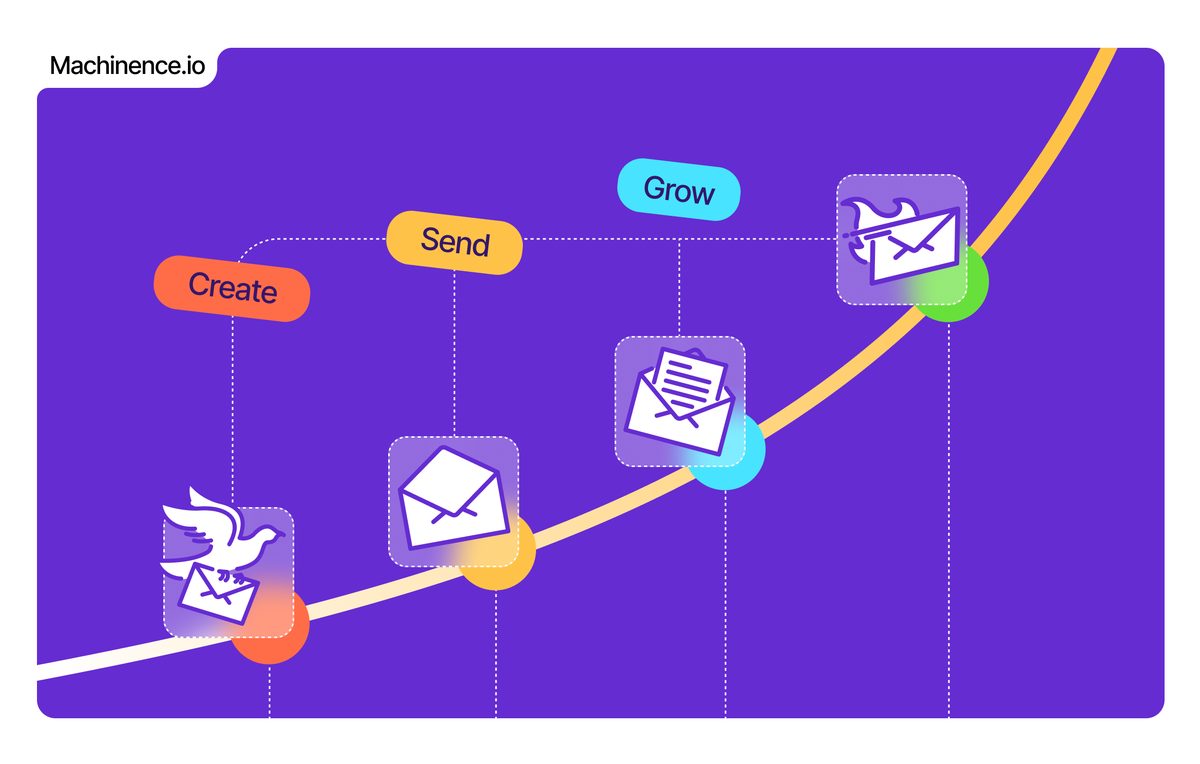
Email deserves its own mention, because it is the one channel you own outright. No algorithm sits between you and the people who asked to hear from you.
6. Search engine optimisation
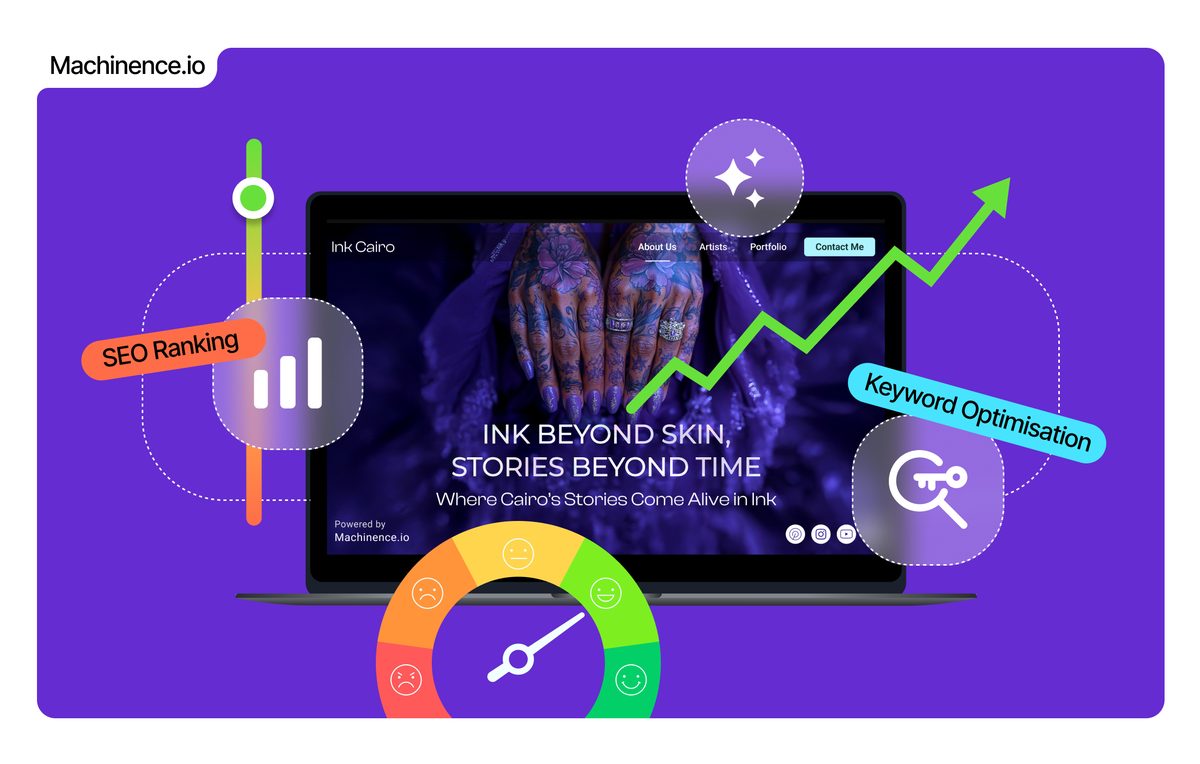
Being online is not enough. People have to find you. SEO helps your business appear in Google when customers search for what you sell, and the higher you rank the more customers discover you without paying for every click.
7. Artificial intelligence
AI has become one of the biggest drivers of digitalisation. Businesses use it to write content, answer customers, generate images, analyse data, build websites, produce campaigns, forecast trends and take over repetitive work. Rather than replacing people, it usually lets a very small team do the work of a much larger one.
8. Business automation
Automation removes the repetitive jobs that fill a week: appointment reminders, welcome emails, invoice generation, customer onboarding, payment chasing, lead nurturing and review requests. The less manual work you do, the more time you have to grow.
9. Accounting and bookkeeping
Modern businesses automate their financial admin. Digital Bookkeeping tracks income, records expenses, generates reports, calculates tax and monitors cash flow, so you always know where you stand instead of finding out in January.
10. Digital payments
Customers expect options: card payments, online checkout, mobile wallets, bank transfer and subscription billing. The easier you are to pay, the more purchases get finished.
11. Customer support
Support no longer ends when the office closes. Businesses now offer live chat, an AI chatbot, help centres and self-service knowledge bases, and customers get answers far faster than they would by waiting for Monday.
12. Data and analytics
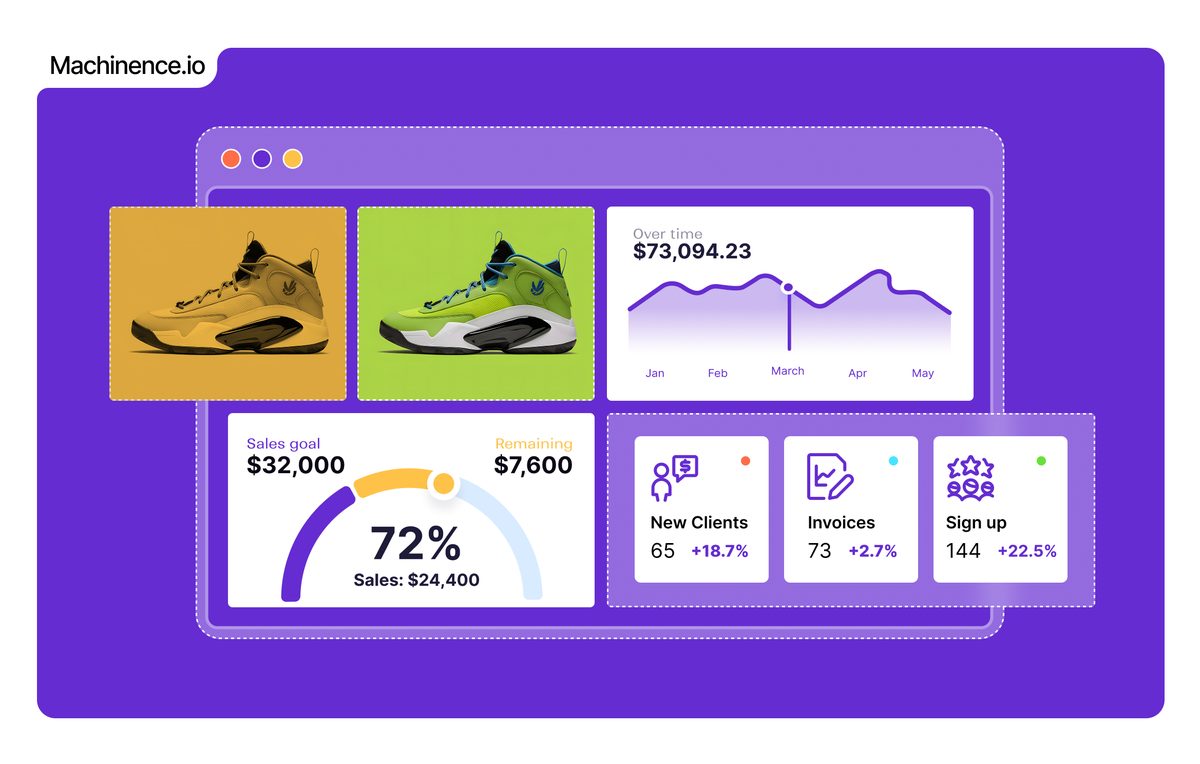
One of the greatest advantages of digitalisation is visibility. You can finally answer the questions that used to be guesswork: where customers come from, which marketing generates sales, which products perform best, where people abandon their baskets, and what actually makes you the most profit.
13. Cloud computing
Cloud technology lets a business work anywhere. Staff can securely reach the systems they need from home, the office, a phone or another country, and files stay in sync across devices.
14. Cybersecurity
As a business becomes digital, security matters more. Good digital businesses protect customer information, payment data, staff records, documents and intellectual property. Digitalisation without security just creates a different kind of risk.
The biggest mistake businesses make
The most common mistake is buying lots of separate software. One company provides accounting. Another manages email. Another handles the website. Another builds invoices, another stores documents, another manages customers, another posts to social media, another takes bookings.
Soon the business has fifteen subscriptions, twelve passwords, duplicate customer records, separate logins, separate invoices and separate reports, and nothing talks to anything else. This is software fragmentation, and the irony is hard to miss: businesses trying to become digital often end up more complicated than they were on paper.
| What you need | Bought separately | With Machinence |
|---|---|---|
| Website and hosting | £20 to £40 a month | Included |
| Domain name | £10 to £15 a year | Included |
| Logo and branding | £150 to £500 once | Included |
| Online store | £25 to £80 a month | Included |
| CRM for customers | £30 to £150 a month | Included |
| Email marketing | £15 to £40 a month | Included |
| Social media scheduling | £15 to £50 a month | Included |
| Invoicing and bookkeeping | £15 to £30 a month | Included |
| SEO tools | £120 to £300 a month | Included |
| Total | £999+ a month, plus setup | From £99 a month, everything |
True digitalisation connects everything
The most successful businesses do not simply collect software. They build connected systems, where information flows between the parts on its own. Sales informs marketing. Marketing informs customer service. Customer service informs what you build next. Finance informs every decision above it. That is what real digitalisation looks like, and it is the part that fifteen separate subscriptions can never give you.
The benefits of digitalising your business
- Higher productivity and lower operating costs
- Faster customer service and a better customer experience
- Better decisions, because the data is finally in one place
- More accurate reporting and fewer human errors
- Greater scalability without proportionally more admin
- Increased revenue and happier staff
Digitalisation is not just about saving time. It is about building a stronger business.
Is digitalisation only for large companies?
Not at all. Small businesses often benefit the most. Large companies have bigger budgets, more employees and whole departments to throw at a problem. Small businesses do not, which is exactly why technology helps level the field. A two-person startup can now use the same class of tools that were once reserved for multinationals, and that is one of the biggest opportunities of the digital age.
How to start digitalising your business
You do not need to transform everything overnight. Start with the foundations and build in order.
- Create a professional brand and online presence.
- Build a website.
- Register a domain and business email.
- Organise your customer information in one place.
- Introduce digital invoicing.
- Accept online payments.
- Automate the repetitive tasks first.
- Improve your marketing.
- Measure what works.
- Keep improving.
Digitalisation is a journey, not a one-time project.
Everything you need to digitalise, in one place
Digitalisation is not a shopping list of software. It is the decision to run your brand, website, customers, marketing, money and reporting as one connected system instead of fifteen separate ones. Start with the foundations, connect as you go, and let the tools carry the admin so you can carry the business.
The future of business is digital
Artificial intelligence, automation, cloud computing and data are changing how businesses operate faster than ever. The ones that embrace it will launch faster, reach more customers, operate more efficiently, make smarter decisions and compete with far larger organisations. Those that delay may find it harder to keep up as customer expectations continue to move.
Business digitalisation is far more than creating a website or installing new software. It is about redesigning how a business works so that technology supports every stage of the journey, from attracting customers to managing operations to scaling sustainably. For a startup or small business, it is the clearest route to competing with organisations that have far greater resources.
The businesses that thrive over the next decade will not necessarily be the biggest. They will be the most adaptable, the most data-driven and the most connected.
Frequently asked questions
What is business digitalisation in simple terms?
It is using digital technology to change how your business actually works, not just what format your files are in. Instead of manual admin and disconnected tools, sales, marketing, finance, customers and reporting run as one connected system that updates itself.
What is the difference between digitisation and digitalisation?
Digitisation converts something physical into a digital file, such as scanning a paper invoice. Digitalisation changes the process itself, so the invoice is generated, sent, chased and recorded in your books automatically. One changes the format, the other changes the work.
Do small businesses really need to digitalise?
Small businesses often gain the most. Customers expect online booking, payment and fast replies regardless of company size, and digital tools let a very small team deliver that without hiring. It is the most practical way to compete with much larger competitors.
Where should I start with digitalising my business?
Start with the foundations: a professional brand, a website, a domain and business email, and one place to keep customer information. Then add digital invoicing and online payments, automate your most repetitive tasks, and only then expand into marketing and analytics.
How much does it cost to digitalise a small business?
Bought separately, the usual stack of website, domain, branding, CRM, email marketing, invoicing, bookkeeping and SEO tools often runs to several hundred pounds a month plus setup. On a connected platform the same capability starts from around £99 a month, because you are paying once rather than nine times.
What is software fragmentation and why does it matter?
It is what happens when a business buys a separate tool for every job. You end up with many subscriptions, many logins and duplicate customer records that never match. The data cannot flow between systems, so you lose the main benefit of going digital in the first place.
Will AI replace my staff if I digitalise?
In most small businesses AI takes over repetitive work such as drafting content, answering routine questions and producing reports, rather than replacing people. It usually means a small team can achieve much more, and spend their time on customers instead of admin.
How long does it take to digitalise a business?
The foundations, brand, website, customer records, invoicing and payments, can be in place within days on a connected platform. Digitalisation as a whole is ongoing, because you keep automating more and improving what you measure as the business grows.
